
the case for pieris
Pieris Needs a Rebrand
When I moved to the Pacific Northwest, I brought a fresh set of eyes with me. I didn't grow up seeing the same palette of shrubs repeated from yard to yard. So while some people see pieris and think "grandma plant," I had a very different reaction.
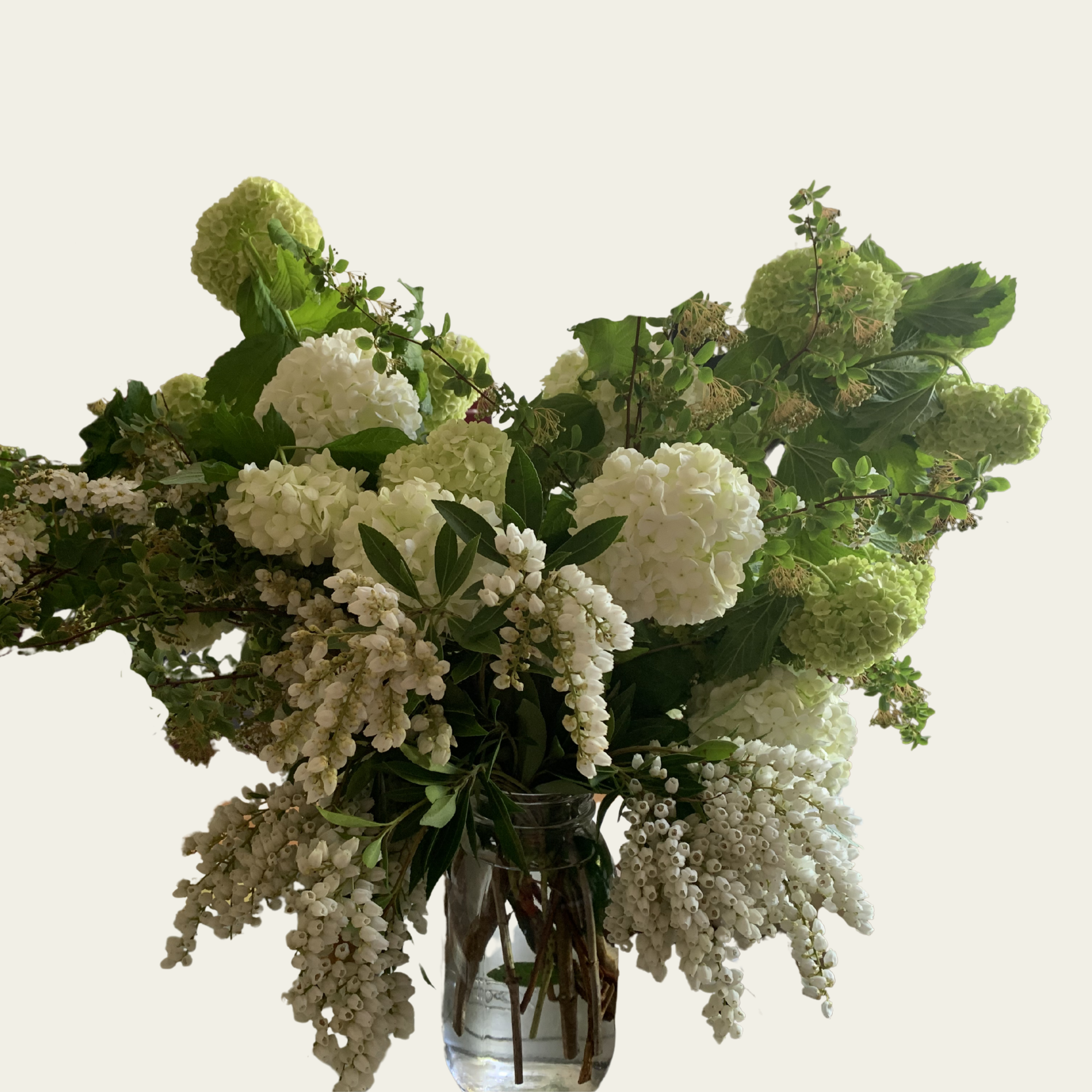
My background is in floral design, and in that world, pieris was a prized cut flower. Florists would pay surprisingly good money for it because of its incredible texture, graceful cascading form, and ability to elevate an arrangement, especially bridal bouquets. It wasn't considered old-fashioned. It was considered special.
Which is why I've always been a little surprised by its reputation in residential landscapes.
I think pieris deserves a rebrand.
It's More Than Just a Flowering Shrub
For starters, Pieris is evergreen, which immediately gives it value in a garden. As we all know, evergreen structure matters.
Its layered branching habit and rich foliage provide texture in every season, helping anchor a planting design long after other plants have faded.
The Flowers Are Stunning
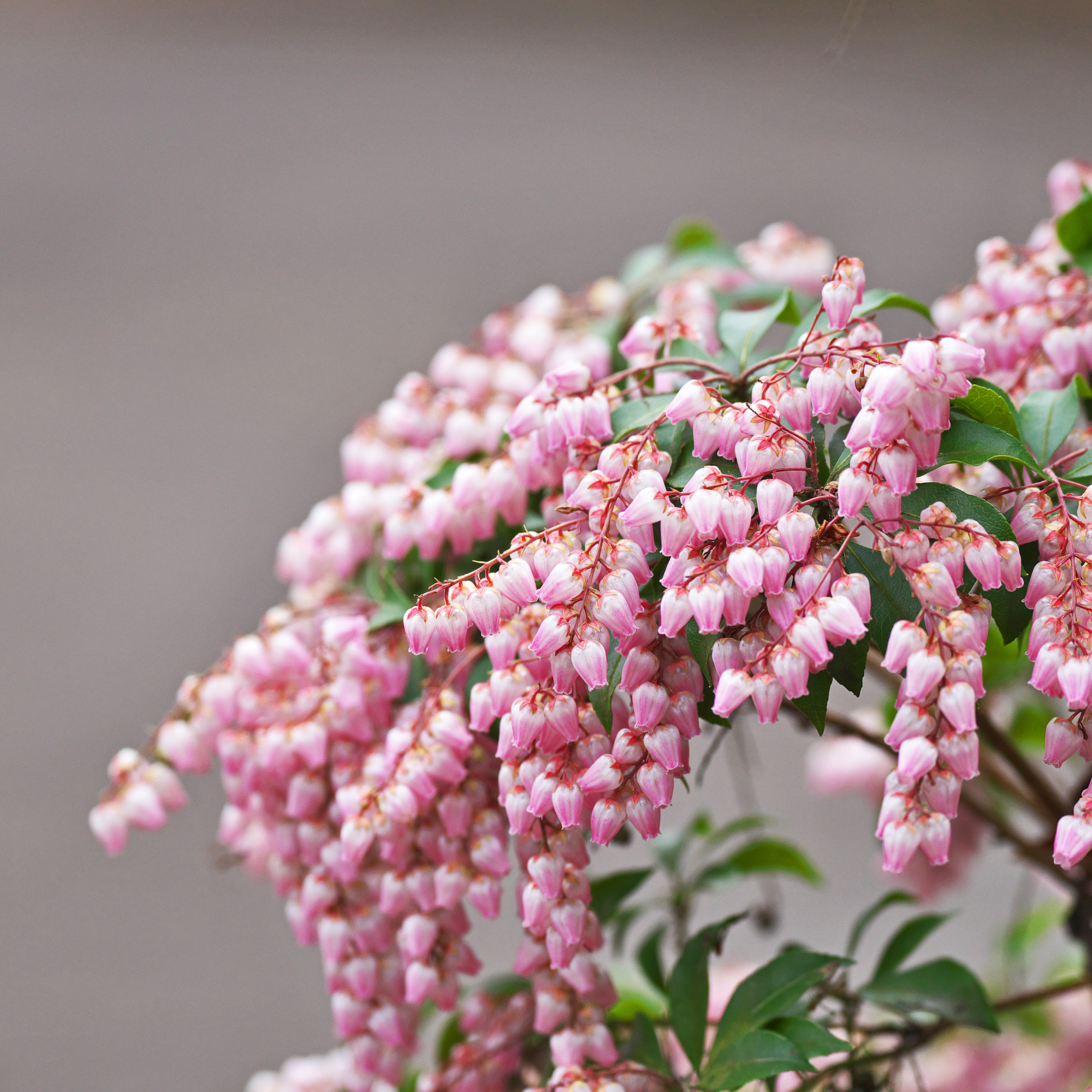
Every spring, pieris produces cascading clusters of delicate bell-shaped flowers that look almost too perfect to be real. Not to mention the pollinators LOVE them. And who doesn’t want more hummingbirds in their yard?
They're beautiful in the garden, but they're also beautiful in a vase. Long before I ever designed landscapes, I appreciated pieris for its value as a cut stem. We tend to look for cut flowers among the many perennial aisle at the garden store, but we really have an opportunity to branch out. Few shrubs can pull double duty as both a strong landscape plant and a standout floral element.
We Need to Appreciate More Than Flowers
One of the reasons I think pieris has been overlooked is that we often judge plants by their flowers alone.
The best gardens are built from layers of interest throughout the year. Flowers are only one piece of the puzzle.
Pieris offers colorful new spring growth (reds, bronze, and pink), attractive evergreen foliage, and architectural seed pods that persist long after the blooms have faded. Those seed pods develop warm brown tones that add texture and character to the garden.
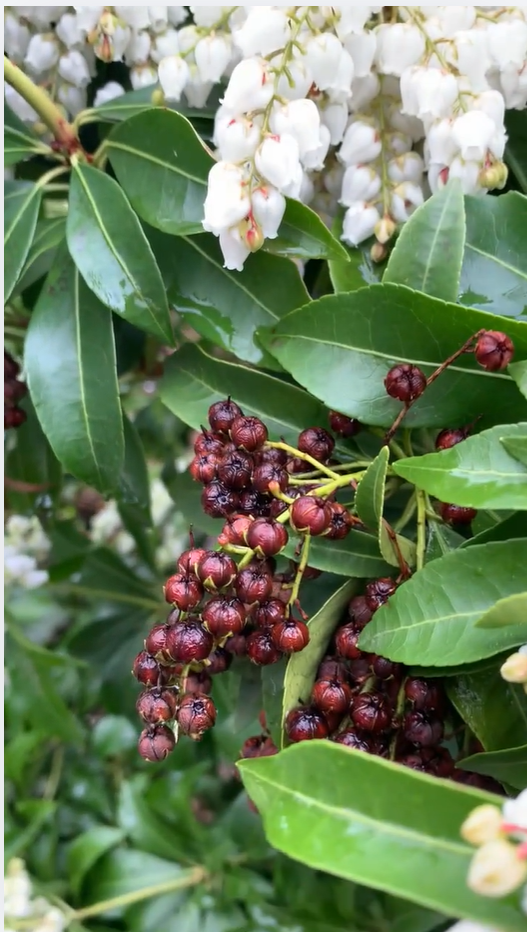
Brown isn't a dirty word.
In fact, some of the most beautiful gardens embrace the subtle colors, textures, and seasonal transitions that happen after flowering is over.
An Ancient Plant Worth Admiring
Pieris is an ancient genus that has been cultivated and appreciated for centuries.
Yet somehow it rarely receives the same admiration as a Japanese maple.
I would argue Pieris deserves the same consideration.
The Variety Is Remarkable
Modern pieris cultivars come in an impressive range of sizes, forms, and colors.
Whether you're looking for a compact shrub for a small garden, a larger screening plant, or dramatic spring foliage in shades of red, bronze, or pink, there's likely a pieris that fits the bill.
It's far more versatile than many people realize.
It's Practical, Too
Beyond its beauty, pieris is also an incredibly useful landscape plant.
It tolerates partial shade, making it a valuable option for many Portland gardens where sunlight can be limited. Once established, it requires very little supplemental watering, which makes it increasingly relevant as summers become warmer and drier.
Time for a Second Look
Not every plant needs to be trendy. But some plants deserve to be rediscovered.
Pieris combines evergreen structure, beautiful flowers, colorful new growth, interesting seed pods, some shade tolerance, and low water needs into a single plant. That's a pretty compelling list.
If you've dismissed pieris as an old-fashioned shrub, it may be time to take another look. You might find that one of the most overlooked plants in the Pacific Northwest is also one of its most deserving.
Plant pairings:
For a stunning early spring bouquet, consider planting Snowball Viburnum, Spirea, Pieris, and Hellebores together. Each reaches its peak at roughly the same time, creating abundant, garden-grown arrangements filled with texture, movement, and seasonal beauty.